
What Do Drywall Hangers Do?
Drywall Hangers Build the Surface. Finishers Make It Disappear.
In construction, a drywall hanger is the professional who measures, cuts, positions and fastens drywall panels to wall and ceiling framing—not a hook used to hold a picture.
Hanging is only the first major stage. After the panels are installed, a drywall finisher or taper still needs to treat the joints, corners and fasteners before the surface is ready for primer and paint.

Hanging Builds the Wall Surface
Some drywall professionals perform both jobs. On larger projects, hanging and finishing may be assigned to separate crews. Knowing the difference helps you request the right service, compare estimates fairly and avoid receiving installed panels that no one has agreed to finish.
Creates the panel surface
Measures, cuts, positions and fastens wallboard to wood or metal framing on walls and ceilings.
Prepares it for paint
Treats seams, fasteners and corners with tape and joint compound, then sands and checks the surface.
- Inspect the work area and plan the panel layout
- Measure and cut the drywall panels
- Position and fasten the panels
- Cut openings for outlets, plumbing, windows and other features
- Install corner treatments where required
- Tape and coat the joints
- Cover the fasteners
- Sand and check the surface
- Prime and paint
What Do Drywall Hangers Actually Do?
Professional drywall hangers do considerably more than lift a panel and drive screws into it. Their work starts with layout: deciding how panels should be positioned across walls and ceilings to fit closely and avoid unnecessary joints that will later need finishing.
The work commonly includes measuring the area, marking panel locations, cutting drywall to size, creating openings and lifting the panels into position before fastening them to the framing.
- Plan panel placement across walls and ceilings
- Measure, mark and cut panels to fit
- Create openings for boxes, doors, windows, vents and plumbing
- Fasten drywall to wood or metal framing
- Adapt to ceilings, stairways, tall walls and irregular rooms
Hanging Builds It; Finishing Makes the Panels Disappear
Newly hung drywall still looks like a collection of separate panels. Seams and screw heads remain visible, and outside corners have not yet been finished.
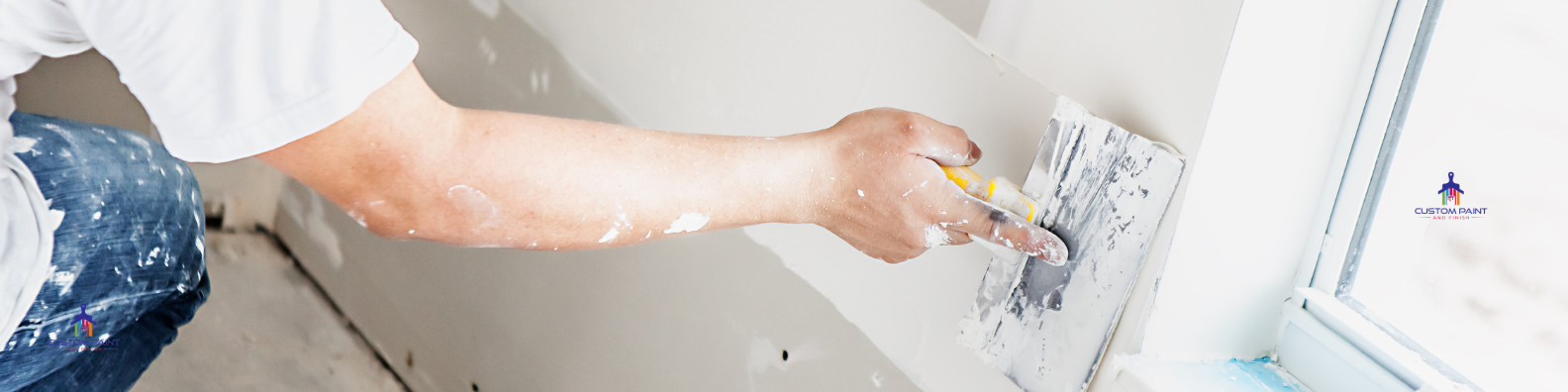
The finisher applies tape and joint compound to seams, covers fastener heads, treats corners and builds out the compound in controlled layers. After the proper drying or setting periods, the surface is sanded and checked for ridges, depressions and other visible imperfections.
Finishing is not simply decorative. The quality of the tape and compound work directly affects how the completed wall looks after paint is applied.
Why the Quality of the Hanging Still Matters After Paint
A talented finisher can correct many small inconsistencies, but finishing should not be expected to compensate for poorly planned installation. The completed wall is the product of both stages.
Panel layout, fastener selection and spacing depend on the selected drywall system and the project requirements. These details should not be reduced to one universal number or rule.
- Large gaps add unnecessary finishing work
- Misaligned panels can create visible transitions
- Damaged edges make joints harder to conceal
- Poor cuts can show around openings and ceilings
- Good hanging helps finishers avoid heavy ridges and obvious seams
Do You Need a Hanger, a Finisher or a Full-Service Drywall Contractor?
The correct service depends on the condition of the space and how far you want one contractor to carry the project.
Hanging + Finishing
New walls, remodels, additions and basement projects usually need the panels installed and the seams and fasteners prepared for paint.
Finishing Only
If another contractor already installed the panels, a finisher can evaluate the work and identify gaps, damaged edges or other conditions that need correction before taping.
Full-Service Drywall + Paint
One contractor can coordinate hanging, finishing, priming and painting as one connected scope with a clearer handoff between each stage.
When the project is a repair
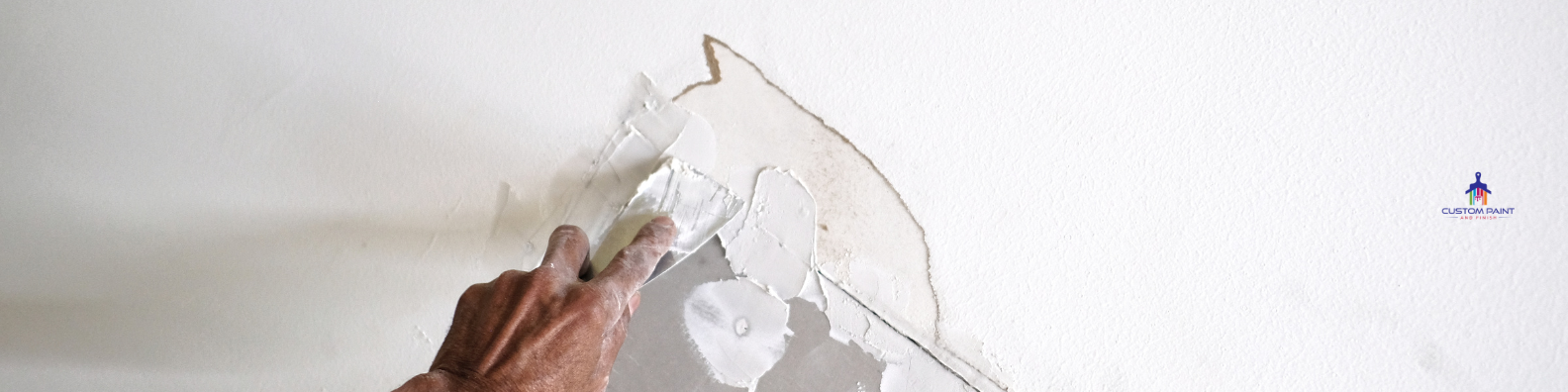
Holes, cracks, nail pops, failed seams or isolated damage may call for drywall repair instead of complete installation. If a leak caused the damage, correct the moisture source before replacement. Suspected contamination or mold may require separate evaluation or remediation before the wall is rebuilt.
What Should Be Included in a Drywall Installation Estimate?
Before hiring drywall hangers, make sure the estimate explains more than the number of panels being installed.
A low estimate may cover hanging only. Another may include hanging, finishing and paint-ready preparation. Those are not equivalent scopes.
- Material delivery and movement
- Wall panels, ceiling panels or both
- Cuts around openings and penetrations
- Fasteners and corner treatments
- Tape and joint compound
- Sanding and surface preparation
- Texture work or blending
- Primer and painting
- Protection and cleanup
- Removal of damaged drywall
- Construction-debris disposal
- Responsibility for behind-wall readiness
What Does Quality Drywall Hanging Look Like?
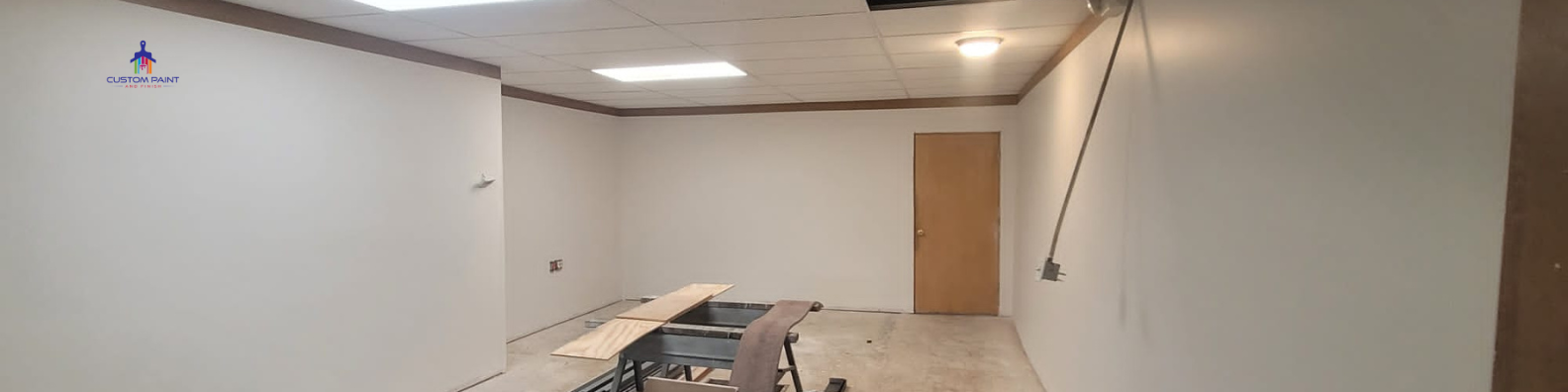
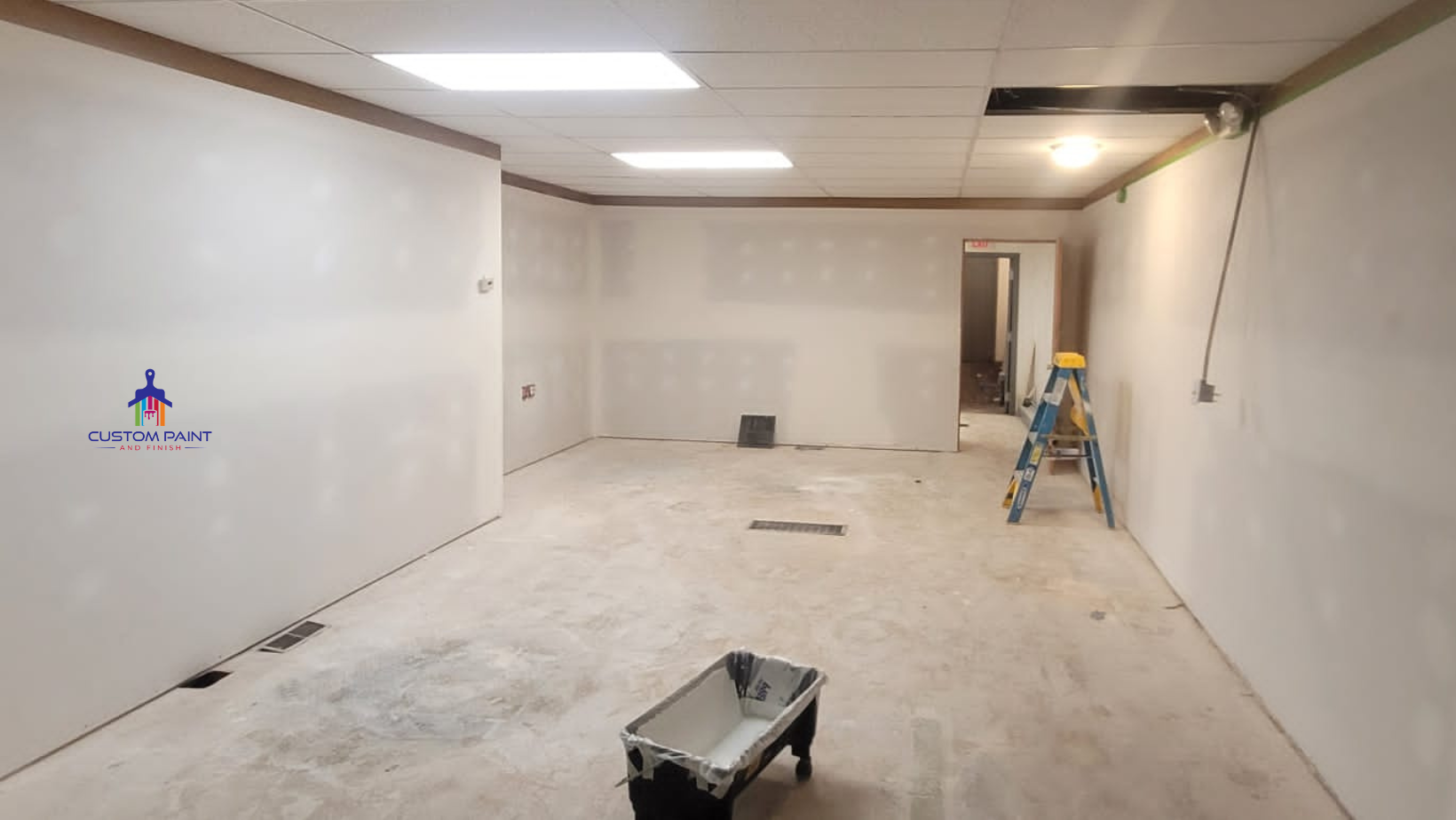
Before finishing begins, a professionally hung room should look planned and consistent. Panels should be securely positioned, cuts around boxes and penetrations should fit appropriately, and corners and transitions should be ready for the required treatment.
The installation should follow the specifications for the selected panel and wall or ceiling assembly. After finishing, joints and fasteners should become much less noticeable under normal viewing conditions.
Plan for the final lighting and paint
Large windows, critical lighting and glossy paint can make small surface variations more visible. Discuss those conditions and the appropriate finish level before the final finish is selected—not after the wall has been painted.
Questions to Ask Drywall Hangers
- Who will complete the taping and finishing?
- What level of finish is included?
- Are ceilings included?
- Will you cut around electrical and mechanical openings?
- Is cleanup and debris removal included?
- Can you repair or replace damaged drywall before installation?
- Can the same company prime and paint the surface?
- What needs to be complete before your crew arrives?
- How will changes to the original scope be handled?
Clear answers make contractor comparisons easier and reduce disagreements about whether the job should end with exposed panels or paint-ready walls.
Preparing for the Drywall Crew
A little coordination before installation helps the crew work efficiently and prevents avoidable cuts into newly installed panels.
Clear the work area
Move personal belongings, furniture and stored materials as the contractor directs.
Complete behind-wall work
Confirm framing, insulation, electrical and plumbing work is ready before panels close the cavity.
Discuss material access
Flag narrow hallways, finished stairs, limited entrances, tall ceilings and occupied areas.
Confirm the protection plan
Ask how floors, doors, fixtures and nearby finished spaces will be protected during the work.
Drywall Hangers and Finishers in Northern Indiana
Custom Paint & Finish provides drywall installation, finishing, repair and paint-ready wall preparation for residential and commercial projects throughout Northern Indiana.
Our team supports remodels, additions, basement projects, ceiling replacement, office buildouts, tenant improvements and other projects requiring new or replacement drywall. We can evaluate the complete scope—from hanging and finishing through surface preparation and painting.
Frequently Asked Questions About Drywall Hangers
Is a drywall hanger the same as a drywall installer?
In most contractor and construction searches, the terms are used interchangeably. Both refer to a professional who measures, cuts, positions and fastens drywall panels to walls and ceilings.
Do drywall hangers also tape and mud?
Some do, while other projects use separate hanging and finishing crews. Confirm whether taping, joint compound, sanding and paint-ready preparation are included in the estimate.
What happens after drywall is hung?
The joints are taped and coated, fasteners are covered, corners are treated, and the surface is sanded and checked. The completed drywall can then be primed and painted.
Can I hire someone only to hang the panels?
Yes, but you will still need to arrange for finishing. Make sure the hanger and finisher agree on project expectations so one crew does not leave conditions the other crew will not accept.
Is drywall repair different from drywall hanging?
Yes. Drywall hanging usually refers to installing complete panels for new or replacement walls and ceilings. Repair may involve replacing only a damaged section, then blending the patch into the surrounding surface.
How long does drywall hanging and finishing take?
The schedule depends on project size, ceiling height, access, repairs, number of joints, selected finish and required drying time. Read our guide to how long drywall installation takes for more detail.
Need Professional Drywall Installation?
Tell us whether your project involves new walls, ceilings, replacement drywall, a remodel, a basement or a commercial space. We can help define whether you need installation, finishing, repair, painting or a combination of services.
