
Best Time to Paint Exteriors in Indiana
When Is the Best Time to Paint Exterior Indiana Houses?
If you're in Goshen or anywhere across Northern Indiana, you're probably familiar with how unpredictable our weather can be. One day might feel like summer, and the next morning, it could be early spring all over again. We often experience humid afternoons, cool evenings, heavy dew, sudden storms, and dramatic seasonal changes that can really take a toll on the outside of your home.
Choosing the best time to paint Indiana homes' exteriors isn’t just about sunny days. Exterior paint must bond, level, and cure properly or it will fail early. Wrong timing can cause paint to peel, blister, crack, or wear out quickly after harsh winters.
If you're planning exterior painting in Goshen, Elkhart, Middlebury, Bristol, Nappanee, Mishawaka, South Bend, or nearby areas, understanding how temperature, humidity, and cure time work together can protect your investment and extend your home’s exterior lifespan.
Dry Isn’t Durable
One of the biggest misunderstandings about exterior painting is the difference between “dry” and “cured.” Paint may feel dry to the touch within hours, but that does not mean it is ready to handle Indiana weather.
Dry time is when the surface is no longer tacky, while cure time is when the paint reaches full hardness and maximum adhesion. The curing process can take days or weeks, depending on the weather, as the coating stabilizes and gains strength.
Humidity and temperature fluctuations can dramatically slow curing. A warm afternoon followed by a cool, damp night can interrupt the process. If heavy dew forms before the paint has properly set, moisture can interfere with adhesion. If temperatures drop too low overnight, curing can stall completely.
Temperature
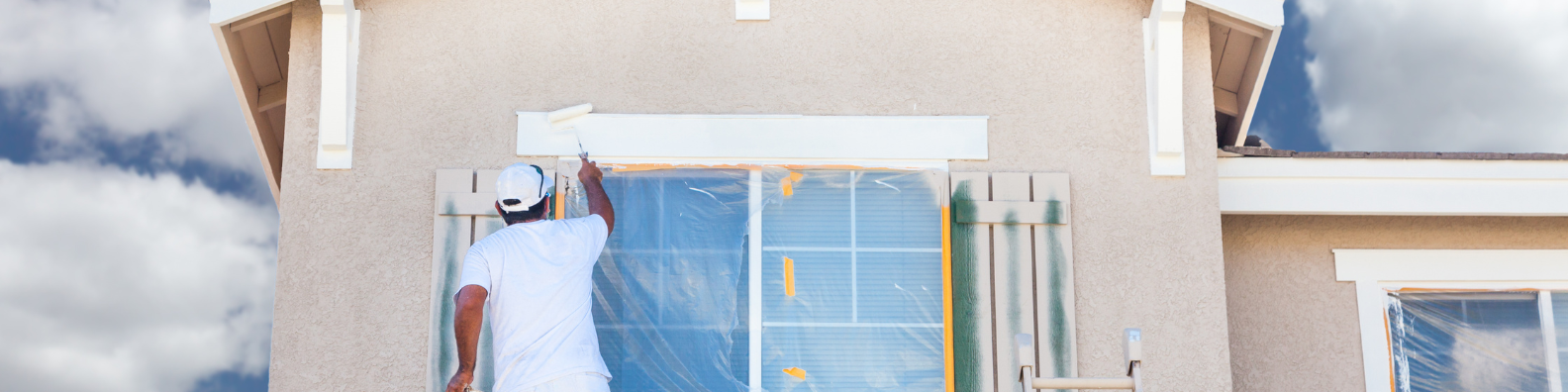
Most modern exterior paints perform best within a moderate temperature range. While products vary, stable conditions generally produce the best results.
In Northern Indiana, late spring, early summer, and early fall often provide the most dependable temperatures. These seasons usually offer comfortable daytime warmth without the extreme heat of midsummer or the cold nights of late fall.
However, daytime highs are only half the story. Overnight lows are just as important. A beautiful 72-degree afternoon means very little if temperatures dip sharply after sunset. That drop can affect how the paint film forms and cures. The first 24 to 48 hours after application are especially important, and nighttime temperatures must stay within a safe range for proper performance.
Direct sunlight can make siding significantly hotter than the air temperature. Vinyl siding, in particular, can absorb heat quickly. Painting a superheated surface may cause the paint to dry too fast, preventing proper leveling and adhesion.
Humidity and Dew
High humidity slows drying and curing, and it increases the likelihood of moisture becoming trapped within the paint film.
In areas around Goshen and Elkhart County, heavy morning dew is common, especially in neighborhoods with trees, open fields, or low-lying terrain. Even when there has been no rain, siding can be wet at sunrise. Painting too early in the morning, before surfaces are fully dry, can lead to adhesion issues later.
Evening dew introduces an additional risk, as falling temperatures can cause moisture to form on freshly painted surfaces. If the paint hasn't fully dried and can't withstand this moisture, the finish may be damaged. Maintaining stable humidity levels and choosing a favorable weather window are essential to allow proper curing without disruptions.
Best Seasons to Paint in Northern Indiana
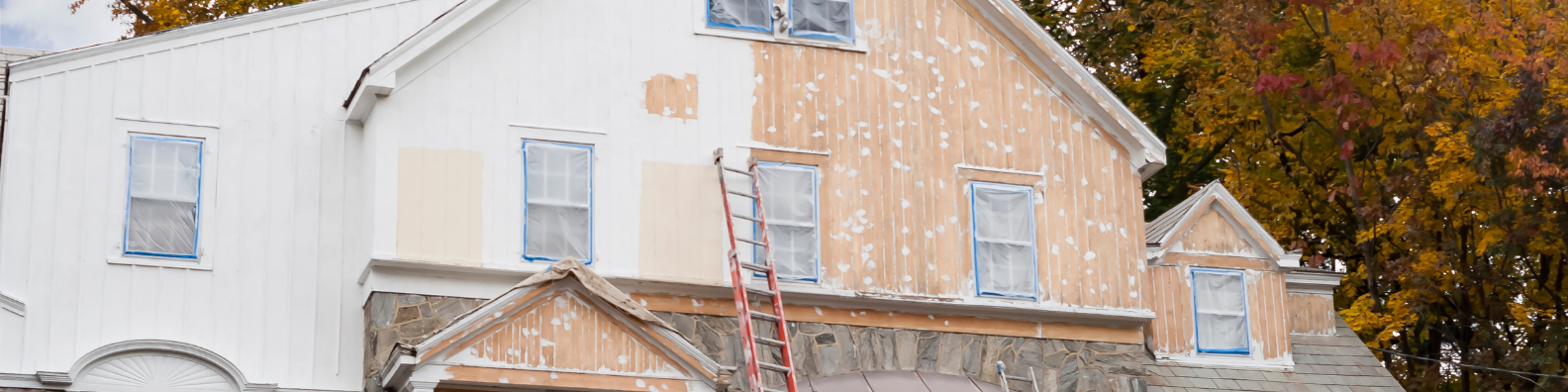
In the greater Goshen area, timing your exterior painting project around stable weather makes all the difference. The best seasons offer moderate temperatures, manageable humidity, and enough daylight for proper curing. Here’s how each season compares:
Late Spring: One of the most reliable windows. Temperatures are warming, heat is not extreme yet, and curing conditions are often strong if overnight lows stay steady and rain holds off.
Early Summer: Warm weather helps paint cure properly, and conditions are usually predictable. Watch for rising humidity, afternoon storms, and hot surfaces in direct sun.
Early Fall: Moderate temperatures and lower sun intensity create excellent painting conditions. The challenge is cooler nights and shorter days, which can quickly close the window.
Winter: Generally not suitable in Northern Indiana. Cold temperatures and freeze-thaw cycles prevent proper curing and long-term durability.
Wood, Vinyl, and Brick All React Differently
The material on your home’s exterior also influences timing decisions. Wood siding expands and contracts with temperature and moisture. It must be fully dry before painting, and it benefits from stable curing conditions. In Indiana’s climate, careful prep and timing are especially important for wood surfaces.
Vinyl siding can absorb heat rapidly. Darker colors increase surface temperature and may cause expansion. Painting vinyl requires attention to both air and surface temperature to avoid adhesion or warping issues.
Brick and masonry retain moisture longer than many homeowners realize. After heavy rain, these surfaces may take longer to dry completely. Trapped moisture behind paint can cause blistering or failure, which is why a generous weather window is so important when painting brick homes in Northern Indiana.
Each surface requires thoughtful scheduling, and understanding those differences protects both the appearance and durability of the finished project.
Why Waiting for the Right Window Pays Off
Exterior painting is a significant investment. Rushing the schedule because the weather looks “good enough” can reduce the lifespan of that investment by years. The cost of repainting early far outweighs the cost of waiting for ideal conditions.
In Goshen and nearby areas, the weather is unpredictable: spring cold snaps, humid summer afternoons, and quick fall cooling. Professional painters track temperature, humidity, surface, and daylight to schedule work, ensuring proper paint bonding and curing to protect your home from Indiana’s snow, rain, wind, and sun.
When you get that timing right, your paint job can look beautiful and perform reliably for years. When timing is rushed or ignored, even premium products can struggle to withstand our local climate.
At Custom Paint & Finish, we cater to homeowners across Goshen and Northern Indiana, such as Elkhart, Middlebury, Bristol, Nappanee, Mishawaka, South Bend, and surrounding areas. We plan exterior projects based on actual weather conditions rather than estimates, ensuring your home gets the lasting protection it needs.
If you are planning exterior painting this season, now is the time to start the conversation. Contact Custom Paint & Finish for a professional exterior painting estimate!
